The Fundamentals of Blockchain: How It Works and Why It Matters
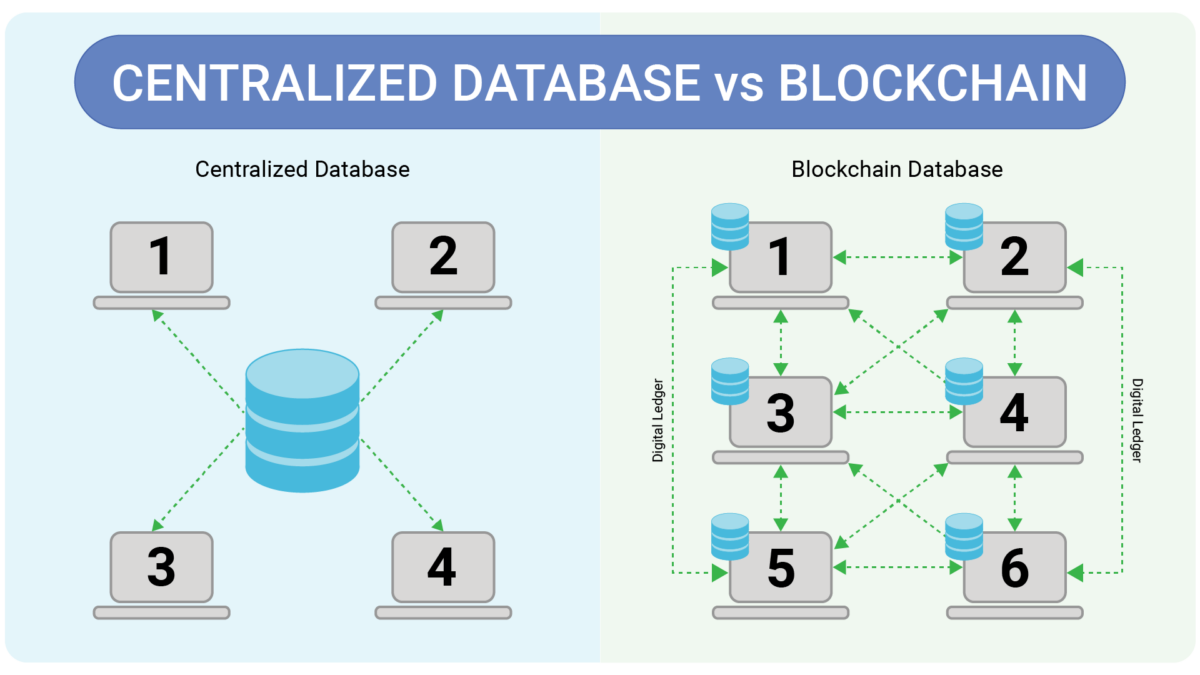
Blockchain is a decentralized ledger technology that allows for the secure and transparent recording of transactions across multiple computers. The fundamental principle behind how it works is the creation of a block, which contains a list of transaction data, a timestamp, and a cryptographic hash of the previous block. This chain of blocks—hence the name blockchain—creates a permanent and tamper-proof record. Each participant in the network can validate and see the transactions, ensuring accountability and reducing the risk of fraud. In essence, it operates on a consensus mechanism, allowing all involved parties to agree on the state of the ledger without the need for a central authority.
Understanding why blockchain matters is crucial in today's digital landscape. First, it enhances security by making data immutable and reducing the likelihood of unauthorized alterations. Second, it increases transparency, as all parties involved can access and verify transactions without the need for intermediaries. This not only lowers costs but also accelerates transaction times. Furthermore, industries such as finance, supply chain, and healthcare are exploring the potential of blockchain to streamline operations and promote trust among stakeholders. As we move towards an increasingly digital world, the impact of this technology will likely continue to grow.
Is Blockchain Here to Stay? Debunking the Myths and Misconceptions
The rise of blockchain technology has sparked both excitement and skepticism among industry experts and the general public alike. As organizations explore its potential applications beyond cryptocurrencies, the question remains: is blockchain here to stay? To answer this, we must first address the various myths and misconceptions that surround the technology. Many people believe that blockchain is synonymous with Bitcoin, yet it encompasses a broader spectrum that includes public, private, and hybrid chains with diverse functionalities. The true power of blockchain lies in its ability to enhance transparency, security, and efficiency across different sectors, from finance and supply chain management to healthcare and voting systems.
One significant myth is the notion that blockchain technology is too complex for widespread adoption. In reality, as the technology matures, user-friendly platforms and tools are emerging to simplify its implementation. Another common misconception is that blockchain is entirely immune to security breaches; while it offers enhanced security features, it is not foolproof. Educating ourselves about these myths allows us to make informed decisions regarding the potential of blockchain. As businesses continue to invest and innovate within this space, the future suggests that blockchain is indeed here to stay, evolving and adapting to meet the needs of various industries.
10 Real-World Applications of Blockchain That Could Change Your Life
Blockchain technology is more than just the backbone of cryptocurrencies; it has the potential to revolutionize various industries and change our everyday lives. Here are 10 real-world applications of blockchain that stand out:
- Supply Chain Management: Blockchain can enhance transparency and traceability in supply chains, allowing consumers to verify the origins of products, from farm to table.
- Healthcare Records: With blockchain, patients can securely share their medical records with doctors, ensuring privacy while giving healthcare providers access to accurate, up-to-date information.
- Voting Systems: Utilizing blockchain for voting could minimize fraud, increase transparency, and enhance trust in the electoral process.
- Identity Verification: Blockchain can enable secure digital identities, reducing identity theft and streamlining customer verification processes across industries.
- Smart Contracts: These self-executing contracts on the blockchain can automate agreements and reduce the need for intermediaries, cutting costs and increasing efficiency.
Continuing with the transformation that blockchain technology can bring, consider the following applications:
- Real Estate Transactions: By recording property transactions on a public ledger, blockchain can simplify the buying and selling process, reducing fraud and lower transaction costs.
- Energy Trading: Blockchain can facilitate peer-to-peer energy trading, allowing consumers to buy and sell excess energy directly, promoting sustainability.
- Charity Donations: With blockchain, donations can be tracked transparently, ensuring that funds reach the intended recipients and organizations.
- Intellectual Property: Artists can use blockchain to register their creations, providing proof of ownership and automating royalty payments.
- Digital Currency and Payments: Blockchain enables faster, cheaper, and more secure transactions across borders, making it an attractive alternative to traditional banking.