Top 10 Plumbing Fails That Will Make You Reconsider DIY Solutions
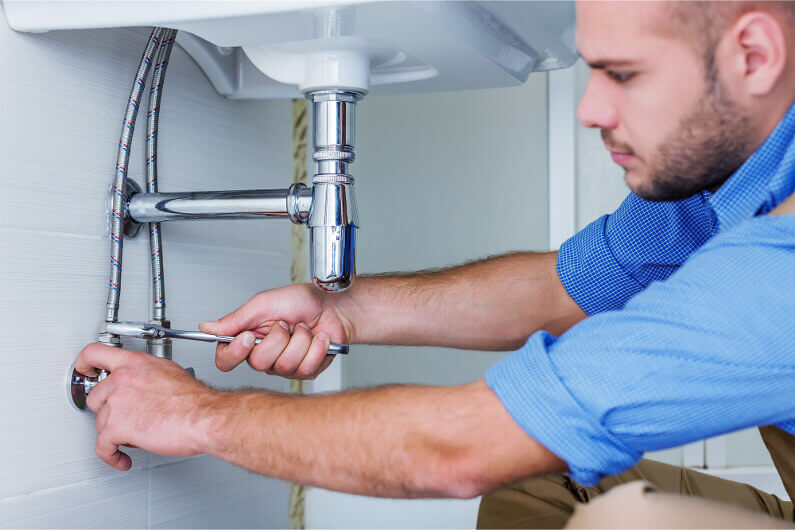
When it comes to plumbing, taking the DIY route can often lead to disastrous consequences. From incorrectly installed pipes to poorly sealed joints, plumbing fails can result in costly repairs and property damage. Here are the top 10 plumbing fails that should make you think twice before tackling that next home improvement project yourself:
- Improperly installed toilet flanges
- Using duct tape to fix burst pipes
- Forgetting to turn off the water supply
- Installing a faucet without a washer
- Misconnecting hot and cold water lines
- Ignoring leaks until it's too late
- Using the wrong type of sealant
- Improper venting leading to sewer gas backflow
- Relying on hacksaw for cutting pipes incorrectly
- Underestimating the need for permits
The consequences of these mishaps can extend beyond irritation; they can also lead to significant repair costs and major inconveniences. For instance, an improperly sealed joint might not show leaks immediately, but over time it can lead to water damage that requires extensive repairs. Additionally, trying to fix failed DIY projects often results in hiring professionals, which only compounds the expense. Therefore, it’s crucial to understand your limits when it comes to plumbing and consider consulting a professional for anything beyond basic maintenance.
Why DIY Plumbing Can Go Wrong: A Look at Common Mistakes
When it comes to DIY plumbing, many homeowners are tempted to take matters into their own hands to save money. However, common mistakes can lead to costly repairs and extensive damage. One frequent error arises from inadequate knowledge of plumbing systems. For instance, attempting to fix leaks without understanding pipe materials could result in poor repairs or even burst pipes. Additionally, misdiagnosing the source of a problem can exacerbate the initial issue, leading to a cascading effect of plumbing failures. Ignoring local building codes is another critical mistake. Failing to comply with regulations can not only result in fines but also in the danger of improper installations that compromise home safety.
Another area where DIY enthusiasts often falter is in the selection of tools and materials. Using inappropriate tools for plumbing tasks can easily lead to damaging plumbing fixtures or creating leaks. For example, a plumber’s wrench may be necessary for certain fittings, but a regular adjustable wrench could strip the threads, causing permanent damage. Furthermore, many DIYers underestimate the importance of proper sealing materials. Inadequate or incorrect use of tape and sealants can lead to leaks and extensive water damage. Therefore, understanding the right materials and how to use them is crucial to prevent these common mistakes from escalating into significant plumbing disasters.
Is Your DIY Skillset Ready for Plumbing? 5 Scenarios That Might Change Your Mind
Many homeowners take pride in their DIY skills, but when it comes to plumbing, the stakes can be higher than you might think. While simple tasks like fixing a leaky faucet might seem manageable, there are various scenarios that could test your limits. Here are five situations that may make you reconsider your DIY approach to plumbing:
- Severe Water Damage: If you encounter unexpected flooding due to a burst pipe or a failed appliance, the urgency of the situation may require professional intervention.
- Complex Installations: Projects like installing a new water heater or complicated drainage systems often require expert knowledge to ensure compliance with local codes.
- Recurring Issues: If a plumbing problem keeps returning despite your efforts, it could indicate a deeper issue that needs a specialist's expertise.
- Lack of Proper Tools: Some plumbing jobs necessitate specialized tools that most DIYers may not possess, leading to subpar results.
- Time Constraints: If you're on a tight schedule, attempting a plumbing repair might not be the best use of your time.